
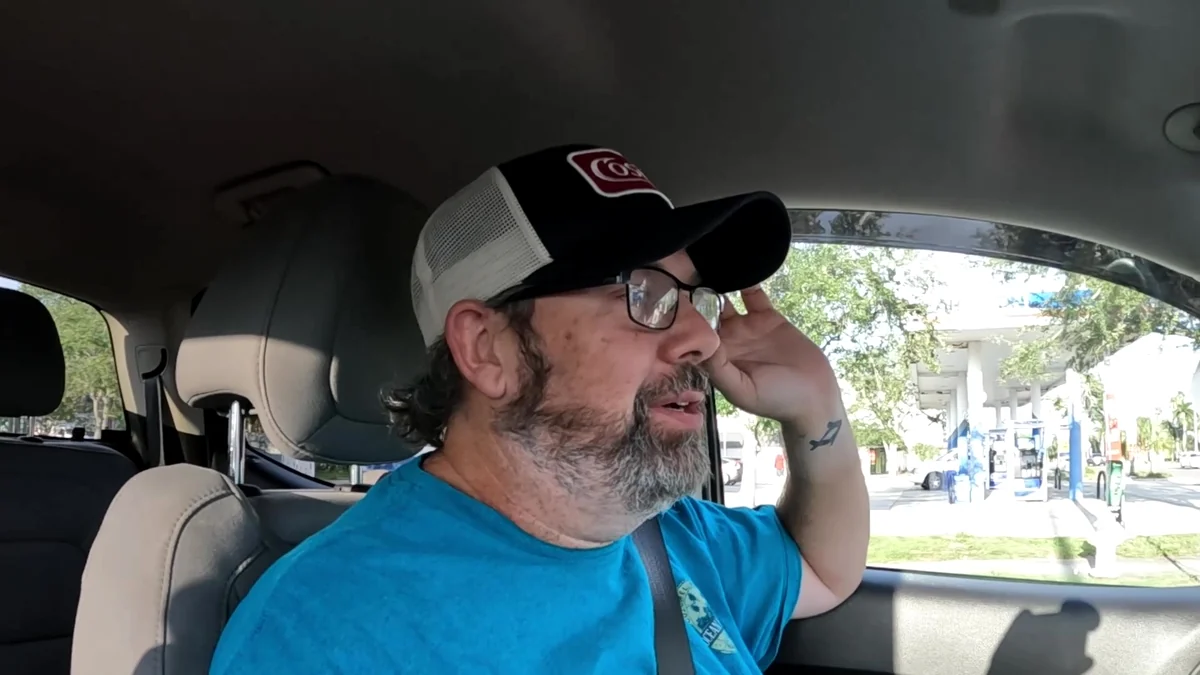
Unless you just go out there and run yourself into the ground, it's just so hard to get caught back up.
Introduction
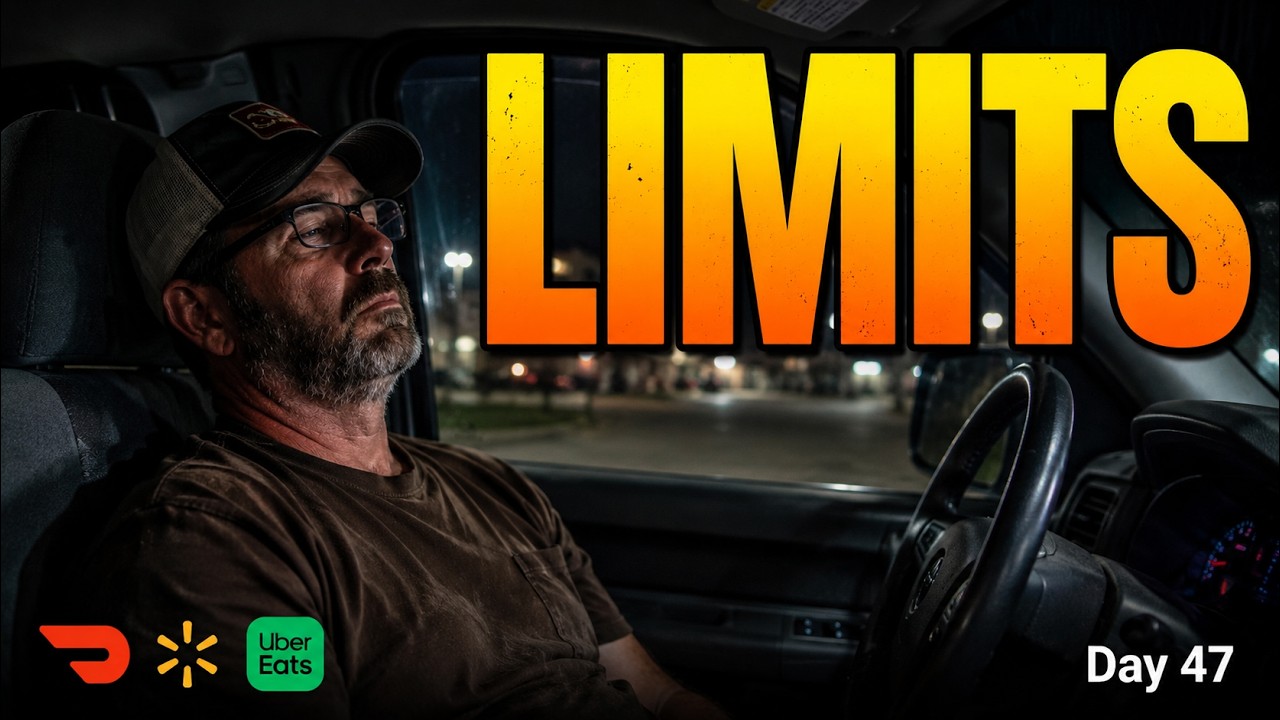
I started the week tired enough to want the night off and stubborn enough to go out anyway.
That has become a familiar argument inside my truck. One part of me knows I need rest. The other part starts listing bills, lost time, and all the work still waiting at home after the deliveries are finished. I had taken one day off in forty-seven days. That should have made the decision obvious. Instead, I told myself I would drive for a little while and see what happened.
What happened was a shorter night, followed by a real day off, followed by the discovery that rest does not automatically remove the pressure that made you tired in the first place.
The larger story of the week was not about one slow shift or one bad order. It was about the uncomfortable space between knowing I need to change my life and still depending on the routine I am trying to leave.
The Pattern That Pays Tonight

Gig work has a way of rewarding the immediate decision. I turn on the apps, accept an order, drive somewhere, and money appears. It may not be enough. It may not be efficient. But it is visible, and when something is due, visible money feels safer than a long-term project that might pay later.
That security can become a pattern.
After taking a day off, I found myself thinking about the rut I am in. The strange part is that I have escaped a rut before. I spent twenty-two years in one routine before leaving it. That change was frightening, but it also reminded me the world was larger than the path I had been repeating. I know change is possible because I have already lived through it.
Knowing that does not make the next change easy.
The work I want to build—videos, websites, brands, and everything connected to Creator OS—does not always pay me tonight. Delivery work does. So the thing helping me survive is also taking the hours and energy I need to build what comes next. It is hard to resent something that is keeping the lights on, even when it is also keeping you in place.
Waiting for the Work
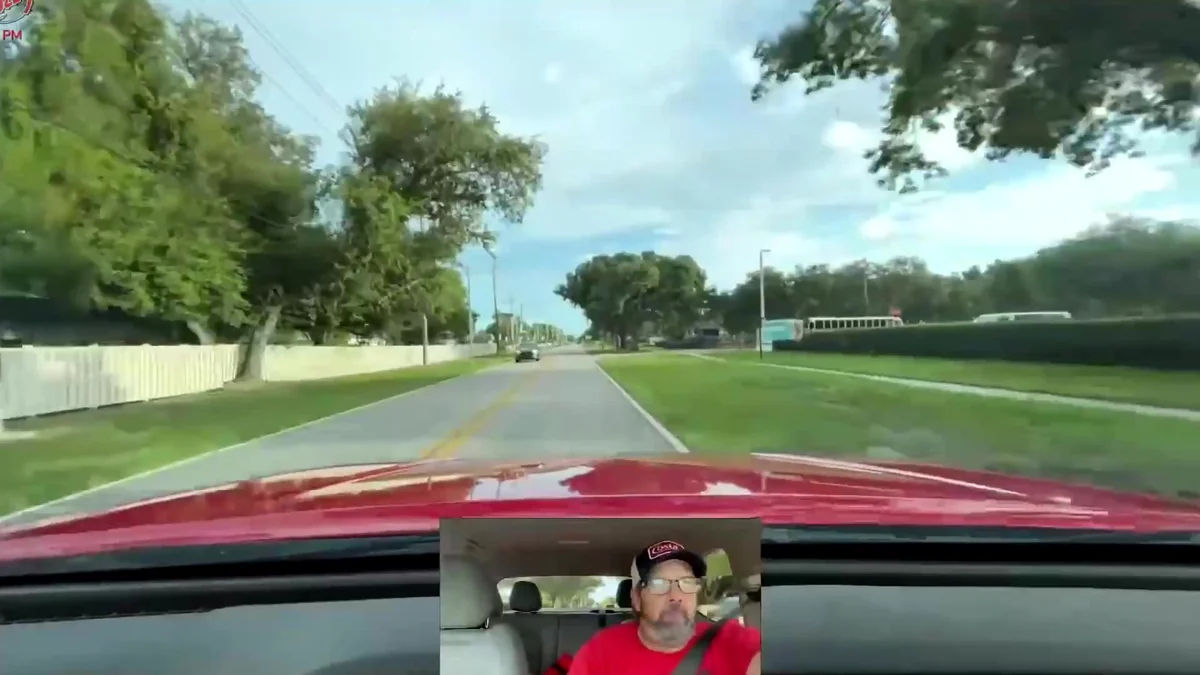
That tension followed me into a night where nearly every restaurant made me wait. Waiting is part of delivery work, but some nights it becomes the entire job. You wait for the food. You wait for another offer. You watch the hourly average fall while sitting under fluorescent lights beside a rack of chips at Subway.
The old version of me might have let that frustration take over. This time I accepted that the night was moving at its own pace. I kept working, and eventually it recovered. More important, I did not turn the delay into a reason to make the rest of the night worse.
While I was waiting, I also talked about why these videos remain unscripted. I know the standard advice: write everything, polish everything, keep every second pointed toward a clean conclusion. But that is not the series I am making. Funding the Dream is supposed to show the process while I am still inside it. Some nights have a clear lesson. Some nights are mostly me trying to understand what I think before the next order appears.
The honesty matters because the process is not clean.
The Warning on the Road
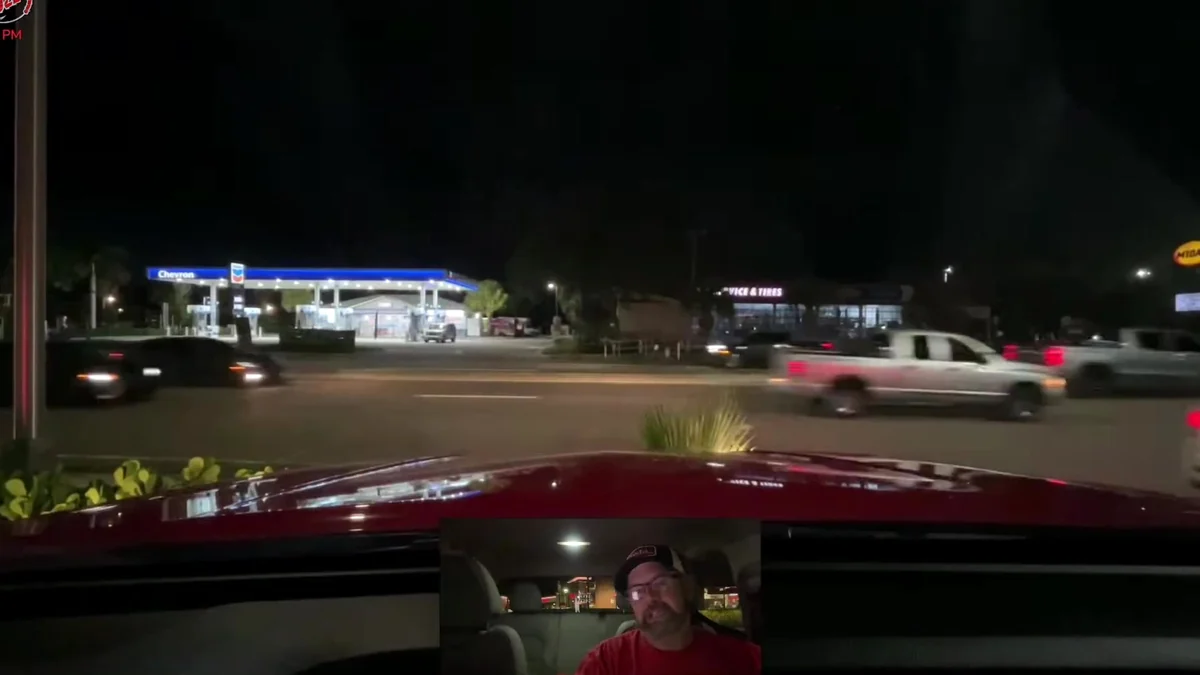
By Friday, the question had become whether catching up required me to work twelve-hour days until I had forced everything back into place. That approach sounds productive when you reduce life to a spreadsheet. It sounds different when you are already tired.
I kept receiving offers that made no financial sense. One asked me to drive eighteen miles for two dollars. Needing money does not make a bad order good. Accepting it would only turn urgency into unpaid mileage. I held the line, nearly reached the night's target, and then the truck gave me a low-oil warning.
That warning felt almost too direct. I had spent the week wondering whether I should ignore my own limits and keep pushing. Then the vehicle I depend on told me it needed attention. I bought oil, added roughly a quart, and ended the night instead of gambling with the tool that makes the work possible.
The Hour That Disappeared
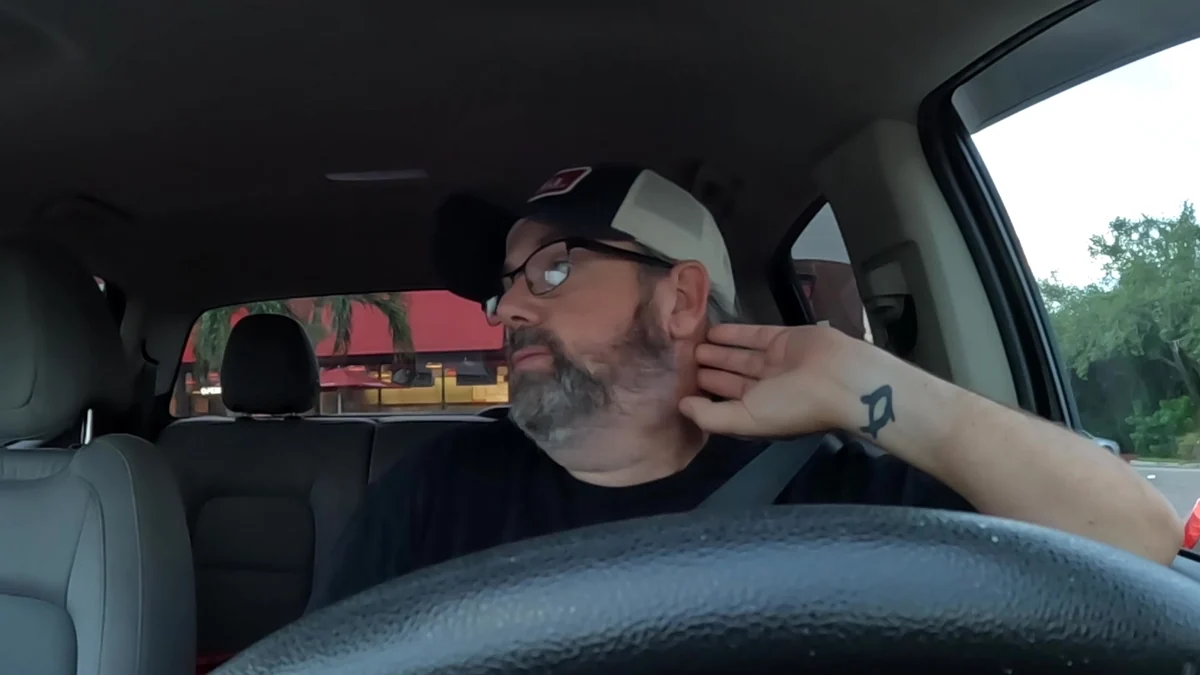
The next shift started steadily enough. Then two ordinary problems erased almost an hour. A duplicated order had already been delivered, but it was still circulating through the system. The second pickup had not even been started. Neither problem was dramatic. Together they turned a useful hour into $12.75 and pulled the entire night off course.
That is how disruption usually works. It is rarely one cinematic disaster. It is ten minutes here, another twelve there, a problem nobody resolved, and a decision about whether to carry that frustration into the next stop.
I recovered enough to finish the night. The best order came from Target and was not the kind of delivery I expected to be discussing on camera. That is part of the unscripted nature of this series too. The road supplies its own details. My job is to notice which ones reveal something larger.
This week revealed that I cannot solve every problem by extending the workday. Sometimes I need to stop. Sometimes I need to wait. Sometimes I need to refuse work that costs more than it pays. And sometimes I need to admit that the routine keeping me comfortable is also the routine I am trying to outgrow.
Memorable Moments
The Night I Went Out Tired Anyway: I wanted the night off, but compromised by driving for three and a half hours. It was not a normal Sunday, and I did not have much energy. Stopping early was not failure. It was the first honest answer my body had gotten from me in a while.
Nearly Twenty Minutes at Subway: One employee was trying to handle a crowded store while everyone waited. The delay was frustrating, but it also made the larger lesson visible: some nights cannot be forced into the pace I want.
The Two-Dollar, Eighteen-Mile Offer: There are offers so bad they almost feel like a typo. This one was useful because it clarified a boundary. Desperation cannot be allowed to decide what my time and vehicle are worth.
The Warning on the Dashboard: The low-oil warning ended the night early. Ignoring it might have earned a few more dollars and created a much larger problem. Protecting tomorrow's ability to work mattered more than squeezing out one more order.
The Hour That Disappeared: A duplicated delivery and a delayed pickup consumed almost an hour. Neither looked serious by itself. Together they showed how quickly small operational failures can knock a decent night off course.
Looking Ahead
I do not have a clean answer for how to get caught up without exhausting myself. Working more hours would help some parts of the problem and probably make other parts worse.
What I do know is that I need to become more deliberate about the pattern. Delivery work has to fund the transition without consuming every useful hour available for making that transition real. That means protecting the time for editing, publishing, building the websites, and developing the projects that may eventually produce income without requiring another night in the truck.
It also means taking rest before exhaustion makes the decision for me.
The question I am carrying into next week is not whether I can push harder. I have enough evidence that I can. The question is whether I can build a routine that actually moves me forward instead of making me better at surviving the same week again.
Episodes from this chapter
Related stories
The Week I Stopped Guessing
A week of rain, slow orders, misleading hot zones, clearer income targets, and finally asking where Funding the Dream is supposed to lead.
The Cost of Getting Back on Track
A week of better orders, a dead truck battery, storm driving, traffic, and learning to count the hidden costs between movement and real progress.
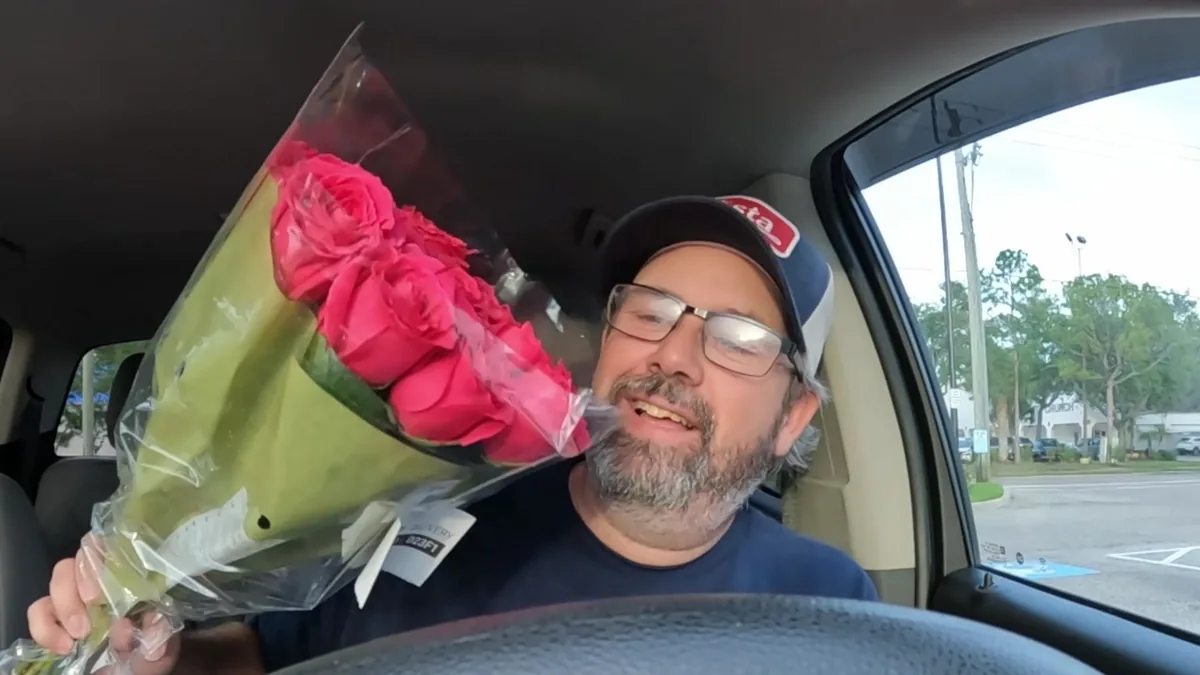
Learning What Enough Looks Like
A week of slow orders, small experiments, strange deliveries, and one flower order that changed how I saw the road ahead.