
The hardest part isn't choosing one. It's finding time for both.
Introduction
The week started with me running on too little sleep and trying to do two jobs at once.
One job pays the bills now. The other one is supposed to change what pays the bills later.
I had stayed up until four in the morning working on websites, Creator OS, and the systems behind Derek Unscripted. A few hours later, I was back in the truck because the present still needed funding. That tension followed me through the entire week. I was trying to make enough money, build something sustainable, understand what the delivery market was doing, and figure out where this whole journey was actually going.
For a while, “keep going” had been enough of a plan. This week, it stopped being enough.
The Story
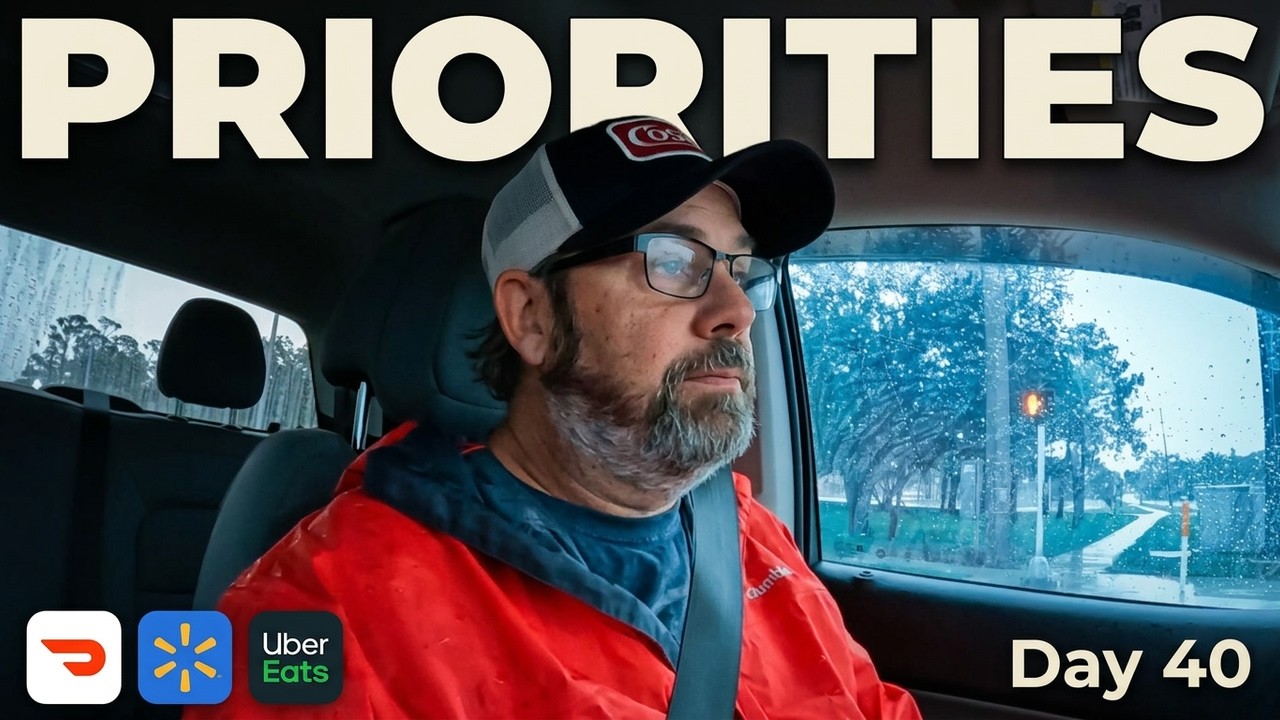
The rain was heavy when I started the week. My first customer gave me an extra ten dollars in cash because I had delivered through it. Later, an old address nearly left me holding seventy-nine dollars' worth of food. I was about two minutes away from the app telling me to keep it before the customer finally responded.
That would have made a better story than delivering it, but the food reached the right person.
I finished that night at $129 gross, bought $25 in gas, and went home early because I was exhausted. The number looked good until the fuel and the fatigue were included. That has become one of the recurring truths of this project: the number displayed on the app is rarely the whole story.
The next night gave me the opposite problem. I needed money immediately, which meant skipping Spark because its payout would arrive later. The logic was sound. The market did not care. I received one order in the final forty-five minutes and ended at $65.
There is an uncomfortable limit to effort in gig work. I can choose when to start, which offers to accept, and how long to stay out. I cannot make people order food. I can have a target and still run out of opportunities before I reach it.
Chasing the Bright Spots

I tried solving that problem by leaving my normal area. The apps showed brighter zones elsewhere, and on a map they looked like better opportunities. I spent nearly two hours driving and waiting through those supposedly busy areas. The hot zones gave me movement, not progress.
That night was useful because it exposed something I had been doing beyond delivery work too. I was chasing what looked promising without always knowing what result I actually needed.
The Number That Changed the Pressure
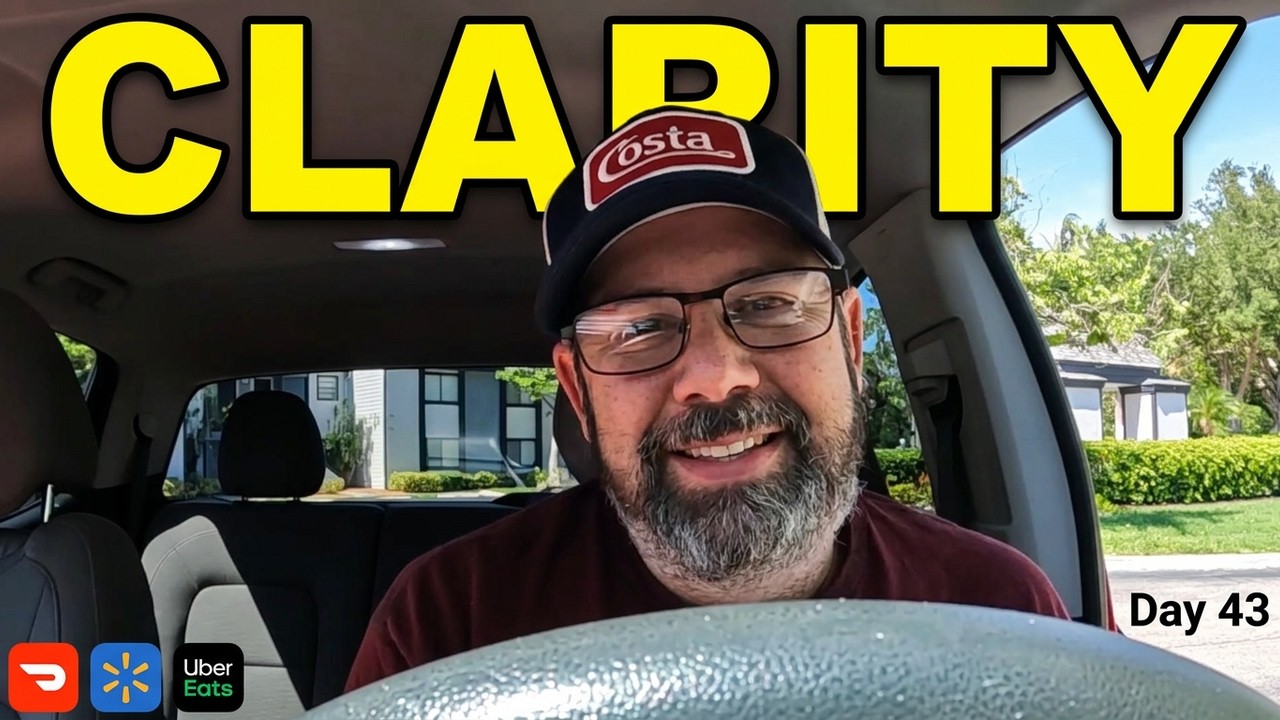
The change came when I finally put the numbers in front of me. I calculated the daily income required to cover what remained for the month. The answer was about sixty dollars a night. Seeing it written down did not eliminate the bills, but it removed some of the fog. A slow night was no longer automatically a disaster. A good night did not need to become an endless attempt to squeeze out every available dollar.
Once I knew the minimum, I raised the working target to seventy-five dollars. The extra room could help me pay down a small debt instead of merely reaching the end of another month.
Movement Needs Direction
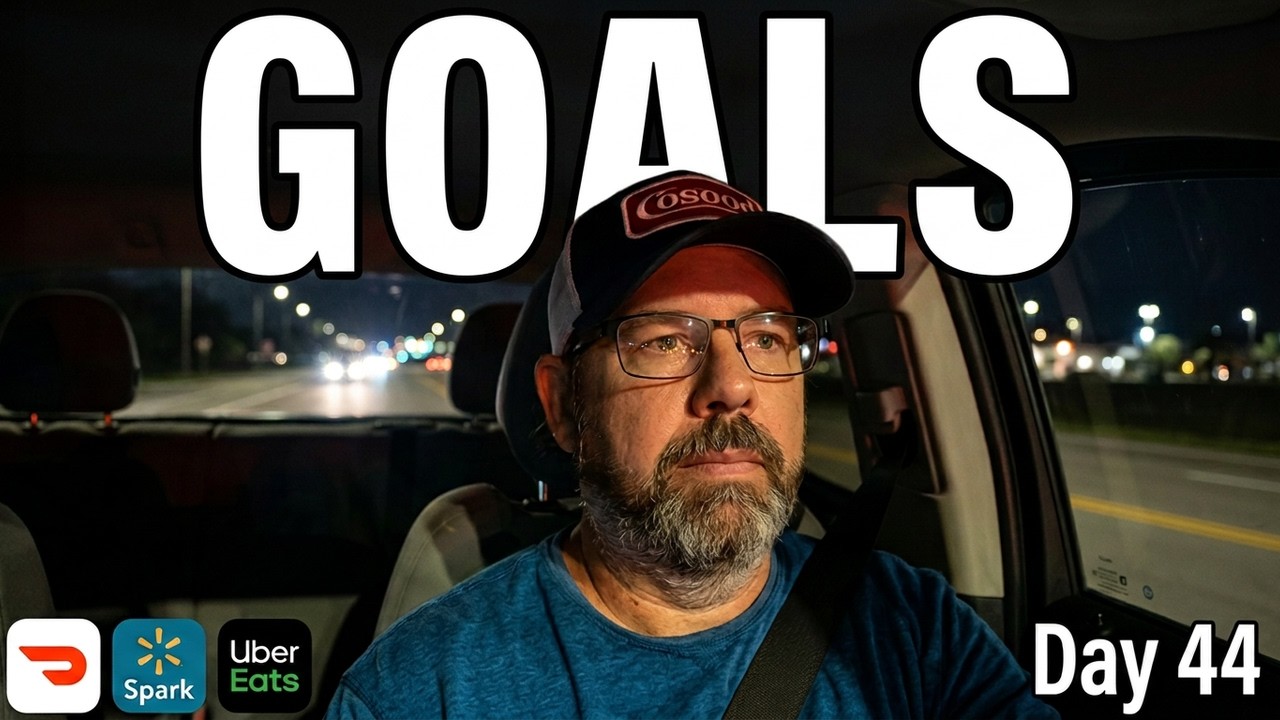
That led to a harder question: what is the actual goal of Funding the Dream?
I had documented more than forty days of driving, creating, editing, publishing, and trying to build systems around the work. I had movement everywhere. What I did not have was a clearly defined destination.
I do not want this to become a permanent documentary about delivering food. The gig work is the funding mechanism. The story is the attempt to replace it—through videos, websites, products, brands, and whatever proves capable of becoming real creative income.
A Quiet Night That Worked

By Friday, the week settled down. Orders were not pouring in, but the ones I received paid well and made sense. I knew the area. I avoided the late long-distance offers. A customer whose deliveries often disappear gave clear directions, and I found the place without trouble. Nothing dramatic saved the night. A series of reasonable decisions quietly produced $123.
Room for Curiosity

Saturday was similar. I started late and still finished at $113. With no crisis demanding the entire episode, my mind wandered. A Sicilian pizza sent me into questions about the history of pizza. That became questions about actors, comic-book characters, and whatever else crossed my mind while the road passed in front of me.
Long hours alone create a strange kind of space. Some of it is useful planning. Some of it is curiosity with no practical purpose at all. Both may matter. If this journey is supposed to build a different life, there has to be room for something beyond calculating miles, declining bad offers, and worrying about the next bill.
Memorable Moments
Two Minutes From Seventy-Nine Dollars of Food: A customer had left an old address on the order. I was close to the point where the app would have told me to leave—or keep—the food when the customer finally responded. The delivery was completed, but for a moment the night could have taken a very different turn.
The Night the Orders Stopped: I needed immediate money and had chosen the apps accordingly. Then demand disappeared. One order in forty-five minutes was a reminder that urgency does not create opportunity.
Chasing the Bright Spots: The hot zones looked like evidence. They were really suggestions. Nearly two hours of repositioning taught me that a dashboard can describe activity without guaranteeing a useful result.
The Number That Changed the Pressure: Calculating the actual daily requirement gave me a definition of enough. It did not solve the financial problem. It made the problem measurable, which is different—and more useful.
A Quiet Night That Worked: Friday did not need a dramatic moment. Sensible orders, local knowledge, and patience added up. It was proof that progress can look ordinary while it is happening.
Looking Ahead
The next step is to turn the larger goal into something as clear as the daily income number.
I know what I am trying to leave behind. I need to define what replaces it, how much that replacement must produce, and which projects deserve the limited hours that remain after driving and editing.
I also want to keep watching the delivery market instead of reacting to every quiet stretch. School has started again. Traffic patterns are changing. Some areas feel slower. One week is not enough evidence to call it a trend.
For now, the useful change is simple: I am trying to stop guessing. About the bills. About the nightly target. About whether a bright patch on a map is worth chasing. About what this series is supposed to become.
The numbers do not tell the whole story, but they give the story somewhere to go.
Episodes from this chapter
- I Almost Kept $79 Worth of Food | Day 40
- I Needed the Money... But the Orders Stopped | Day 41
- I Wasted Almost Two Hours Chasing Hot Zones | Day 42
- I Finally Figured Out What I Actually Need to Make | Day 43
- 44 Days In... I Realized I Never Set a Real Goal | Day 44
- The Orders Weren't Pouring In... But They Kept Paying | Day 45
- You Have a Lot of Time to Think Doing This Job | Day 46
Related stories
The Cost of Getting Back on Track
A week of better orders, a dead truck battery, storm driving, traffic, and learning to count the hidden costs between movement and real progress.
Learning What Enough Looks Like
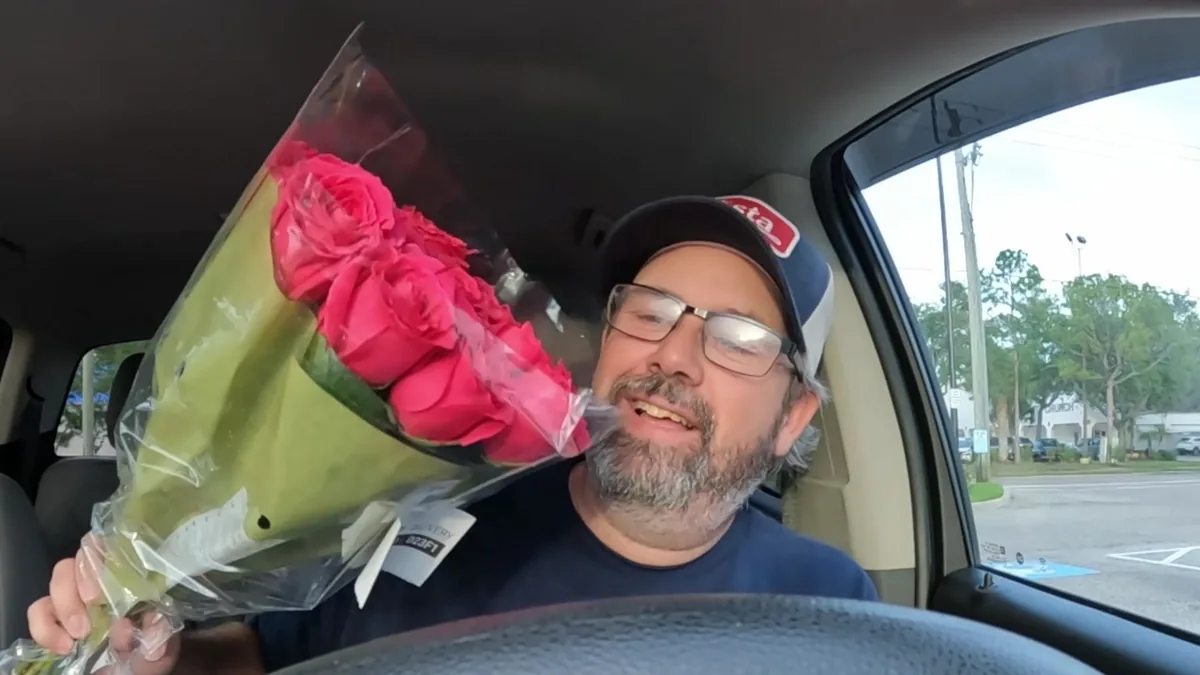
A week of slow orders, small experiments, strange deliveries, and one flower order that changed how I saw the road ahead.