
Sometimes the biggest change isn't working harder. It's trying something different.
The Story

I started the week believing I already knew what a good day looked like.
Sunday had usually been dependable. I went out expecting the familiar rhythm: dinner orders, island runs, enough movement to keep me from staring at the same parking-lot light for twenty minutes. The night even began the way I wanted it to, with two orders that paid well enough to make the rest of the shift feel promising.
Then everything stopped.
The orders thinned out. The island was quiet. What had been one of my strongest days became one of the slowest, and there was nothing I could do to negotiate with it. The apps did not care what Sundays were usually like. The market did not owe me the pattern I had gotten used to.
That was the real beginning of the week—not a bad night, exactly, but a reminder that I could not keep treating every day the same.
I am trying to replace gig work with creative work, which means I spend a lot of time thinking about progress. Some progress is easy to recognize. A video gets published. A subscriber appears. A bill gets paid. Other progress looks like sitting in a car and deciding not to take a bad order. It looks like changing areas, starting earlier, stopping before exhaustion, or admitting that a plan is not working.
Those decisions do not feel impressive while they are happening. Most of them feel like waiting.
Learning What Enough Means
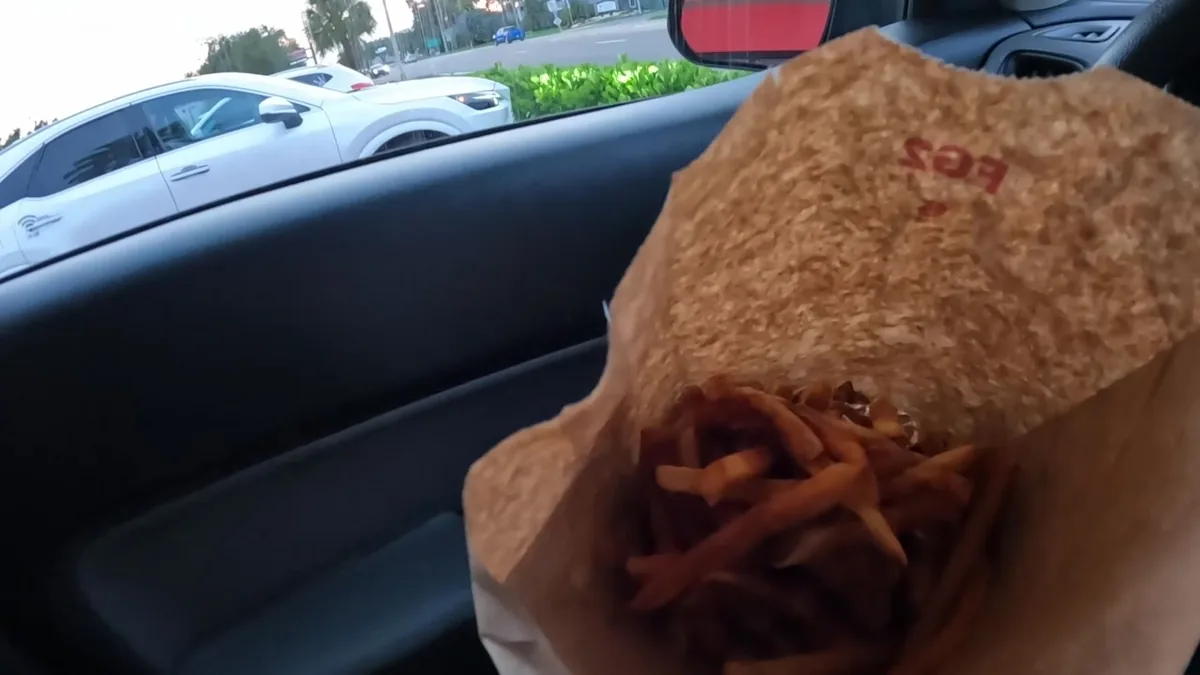
Early in the week, I gave myself a much smaller goal than usual. I did not want a full shift. I wanted dinner—specifically, a Five Guys burger, Cajun fries, and a shake—without taking the money away from rent or anything else that mattered more.
So I worked until I had almost enough, covered the last few dollars myself, and stopped.
That word matters: stopped.
There is always another order, another target, another reason to stay out. When you are behind, ‘enough’ can feel irresponsible. But that night I had decided what enough meant before I started. The result was not a major financial victory. It was dinner, a boundary, and an employee who loaded the bag with so many extra fries that it felt like the universe briefly understood the assignment.
Friction in Small Amounts

The next night was the opposite. Nothing dramatic went wrong. Instead, every small thing took a little longer than it should have. A customer who needed to provide a PIN was unavailable. Another left detailed apartment instructions and then waited somewhere else. Orders arrived slowly. Fuel took its share. Eight unpaid minutes here, fifteen minutes sitting there, a little confusion at the next stop.
That is how some days wear you down. They do not hit you with one large problem. They charge you in small amounts until your patience is overdrawn.
I kept going, but I also started paying closer attention to what the week was teaching me. Working harder was not always the answer. Sometimes the answer was choosing a stopping point. Sometimes it was changing the method. Sometimes it was simply refusing to let a frustrating hour decide what the rest of the night meant.
The Pink Roses
That became clearer during the slowest shift of the week.
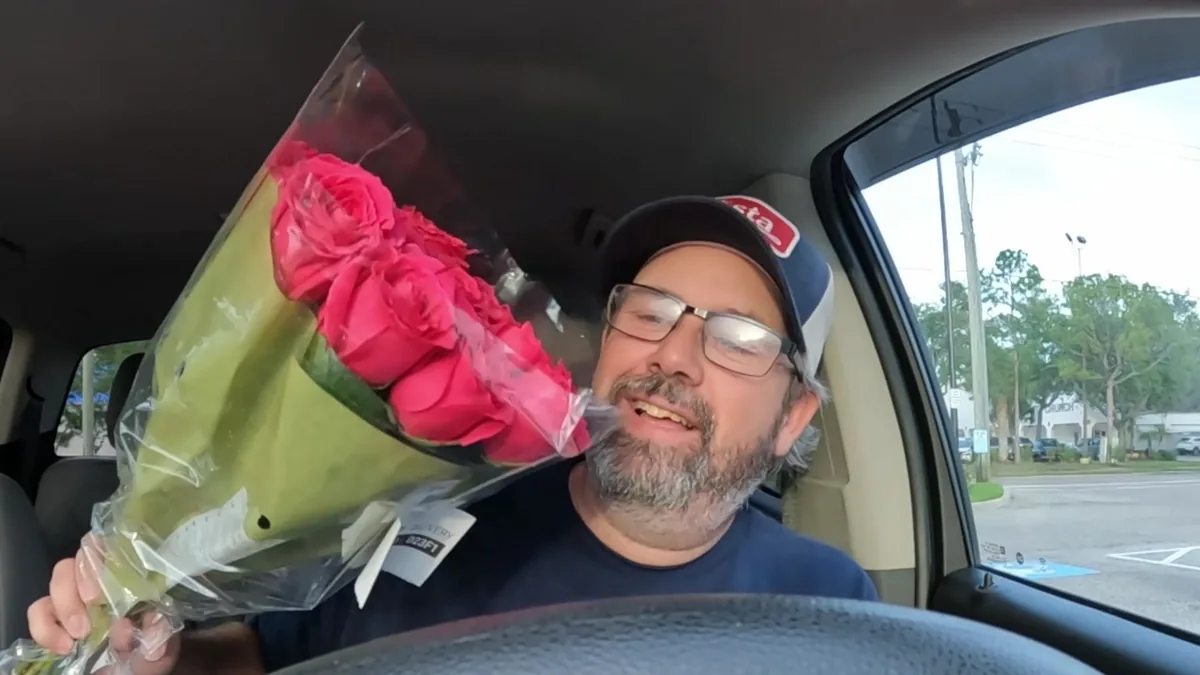
I was close to quitting. I had moved locations, reset my phone, reopened the apps, and done all the little rituals drivers perform when we want technology to explain why nobody seems to be ordering dinner. Then a small flower delivery appeared.
A son had ordered pink roses for his mother because she was having a bad day.
The order did not rescue the shift financially. It did something more useful. It reminded me that the houses and hotel rooms at the end of these routes contain lives I know nothing about. I might see a low-paying flower delivery. Someone else sees proof that her son knows she is struggling.
I was glad I stayed out long enough to deliver them.
Changing the Inputs

By Thursday, I was ready to test something instead of repeating the same routine and hoping it improved. I started earlier. I took Spark orders. I worked several miles outside my usual area. The night stayed busy, and the change worked well enough to make me question some of my assumptions.
It did not prove that I had discovered a magic zone or a permanent solution. One good experiment is still only one experiment. But it proved that the result was not fixed. I could change the inputs. I could gather evidence. I could stop confusing persistence with repetition.
One Mark Against 140 Orders

Then Friday gave me another lesson in how little control a driver actually has.
One customer reported that an order had not been delivered. It was one mark against roughly 140 completed orders that month, but the app did not display the other 139 as a monument to reliability. It displayed the accusation.
That bothered me. It still bothers me. I document my drop-offs because I know this can happen, but there is something deeply frustrating about watching one claim become more visible than a month of completed work.
I could not change the report that night. I could only keep doing the next delivery properly.
Experience Does Not Make It Predictable

By the weekend, all of these small lessons had started to connect. Experience was not making the job predictable. It was teaching me how to respond when it was not.
Experience told me not to accept every order. It told me that a three-dollar delivery can cost more in time than it pays in money. It told me that searching three aisles for one missing birthday card is a trap, even when the original order looks simple. It also told me that sometimes an absurd-looking offer—like being paid about the price of a swimming cap just to deliver that one swimming cap—can be worth taking.
The job still surprised me. I was simply getting better at understanding the surprise.
More Fries Than I Ordered
The Five Guys meal was supposed to be a controlled little reward. The employee recognized me, treated me well, and filled the bag with an unreasonable quantity of fries. It was funny, but it was also a reminder that treating restaurant workers with respect changes the texture of this job. People remember how you make their shift feel.
The Birthday Card and the Swimming Cap
I spent far too long helping search for a birthday card that even the store employee could not find. Later, I was paid surprisingly well to deliver a single swimming cap. Gig work has its own strange logic. Experience does not make it sensible. It just helps me recognize which kind of nonsense pays.
Looking Ahead
I want to keep experimenting without turning every good result into a new rule. Starting earlier and changing areas worked once; now I need to see whether it works again. I want to pay closer attention to idle time, fuel, and the orders I reject—not because the numbers are the whole story, but because they reveal whether my choices are actually buying me more time for creative work.
I also want to keep noticing the parts of the job that do not fit inside an earnings total: the extra fries, the pink roses, the baby waving through a window, the moments when a stranger's life briefly crosses mine.
The question for next week is not whether I can work harder. I already know I can do that.
The question is whether I can keep learning what deserves the effort.
Episodes from this chapter
Related stories
The Week I Stopped Guessing
A week of rain, slow orders, misleading hot zones, clearer income targets, and finally asking where Funding the Dream is supposed to lead.

The Cost of Getting Back on Track
A week of better orders, a dead truck battery, storm driving, traffic, and learning to count the hidden costs between movement and real progress.