
The question isn't whether problems happen. It's whether you're ready when they do.
The Story
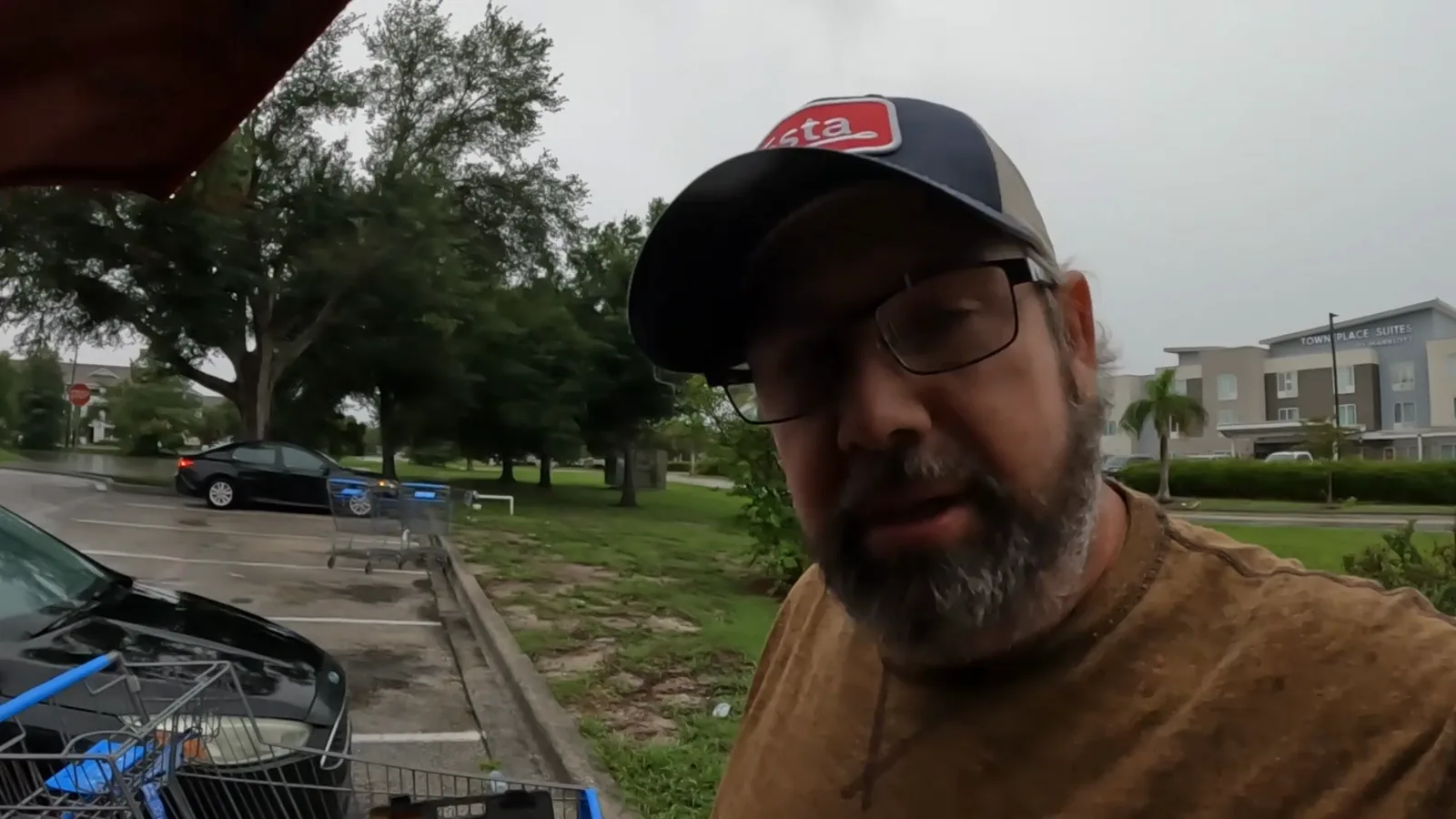
The week started with the kind of night that can make you think you have finally figured something out. Rain moved through the area, the usual incentives pulled drivers toward other zones, and the orders where I was working suddenly got better. A few days later I was standing in a Walmart parking lot changing a truck battery in the rain because paying someone else—or waiting until the weather cleared—wasn't really an option.
That was the shape of the week: a little progress, followed by a reminder of how fragile that progress still is.
I was trying to do more than earn enough for the next bill. I was testing different ways of working, filming the process, publishing every day, and looking for patterns that might make the next week slightly less chaotic. Some of those experiments worked. Others showed me that an order can look profitable while quietly stealing time somewhere else.
The lesson wasn't that I needed to work harder. I already knew how to do that. The lesson was that I needed to see the whole cost of every decision.
Sunday gave me one of those rare shifts where everything seemed to line up. The zones with active bonuses attracted the obvious attention, but the zone without the bonus gave me an immediate island order that paid well. Later came a sushi order worth around $170, three McChickens that somehow turned into a $20 delivery, and a KFC order that had been waiting about 90 minutes because nobody had solved a substitution problem.
It felt like opportunity, but not the loud kind. Nobody sent a notification saying the unpromoted zone might now have less competition. The KFC order only became worthwhile because I was willing to deal with the thing that had stopped everyone before me. Experience helped, but so did paying attention.
Using the Right Tool for the Day
Monday was different. Mondays are usually slow enough that I don't start them with heroic expectations. Instead of forcing the same DoorDash and Uber routine, I leaned harder into Spark. One Sam's Club order came with five cases of water and three cases of Coke. I spent part of the drive imagining apartment stairs, only to discover a house with a perfectly accessible garage. A broken subdivision gate created the next problem, and another delivery driver with a working clicker became the solution.
Spark produced most of the night's work. It wasn't a life-changing shift, but it was useful evidence. Maybe Monday wasn't simply a bad day. Maybe I had been using the wrong tool for it.
Tuesday brought the other side of experimentation: waiting, weak offers, and not enough story to justify pretending otherwise. Rather than stretch a quiet day into an episode because the schedule said I should, I combined it with Wednesday.
Wednesday supplied the story.
When the Truck Stopped
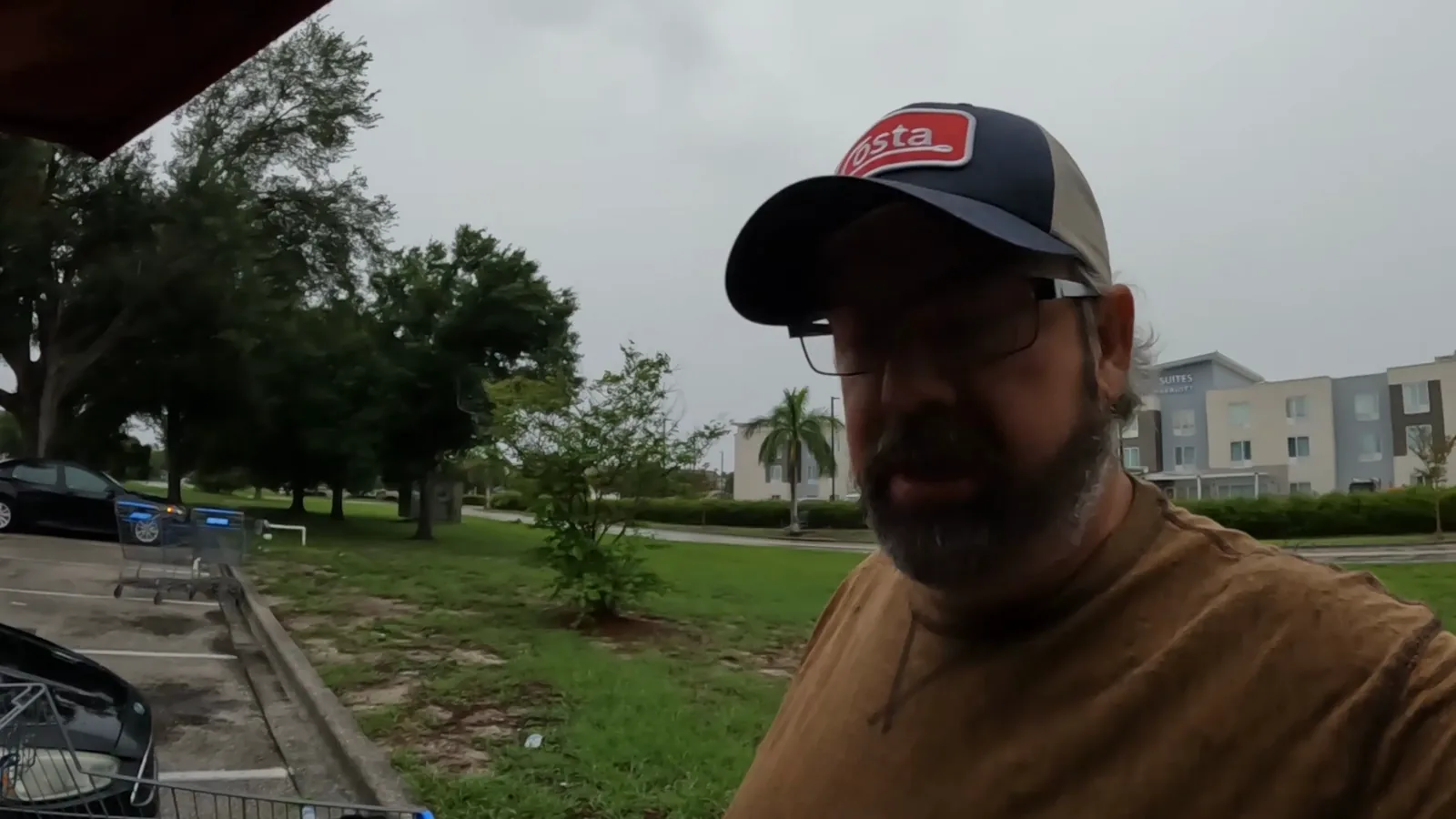
Two Spark orders disappeared after I had already driven to Walmart. Then, after shopping a 12-item order, I returned to the truck and turned the key. Nothing. The battery was dead, the customer's order was waiting, and my vehicle—my transportation, workplace, and source of income—was suddenly a stationary object.
I found someone willing to give me a jump. I delivered the order about 15 minutes late. The customers were preparing for a party, understood what had happened, and handed me a $20 cash tip.
The tip was generous, but the real message was sitting under the hood. I had taken the jumper cables and tools out of the truck at some point and never put them back. A manageable problem became a crisis because I wasn't prepared for the most predictable kind of failure a working vehicle can have.
The next day confirmed the battery had dead cells. The alternator was fine, which was the good news. The first replacement quote was $249, which was impossible. I found a cheaper battery at Walmart and changed it myself in the rain. By the time the truck was running again, I was about $140 behind and had lost roughly two hours of the workday.
The remaining hours could not erase that expense, but they still mattered. Storm conditions reduced the number of drivers on the road, the orders improved, and I recovered $100 during a shortened shift. It wasn't a triumphant ending. The battery still cost what it cost. But the day did not get to take everything.
The Cost of Standing Still
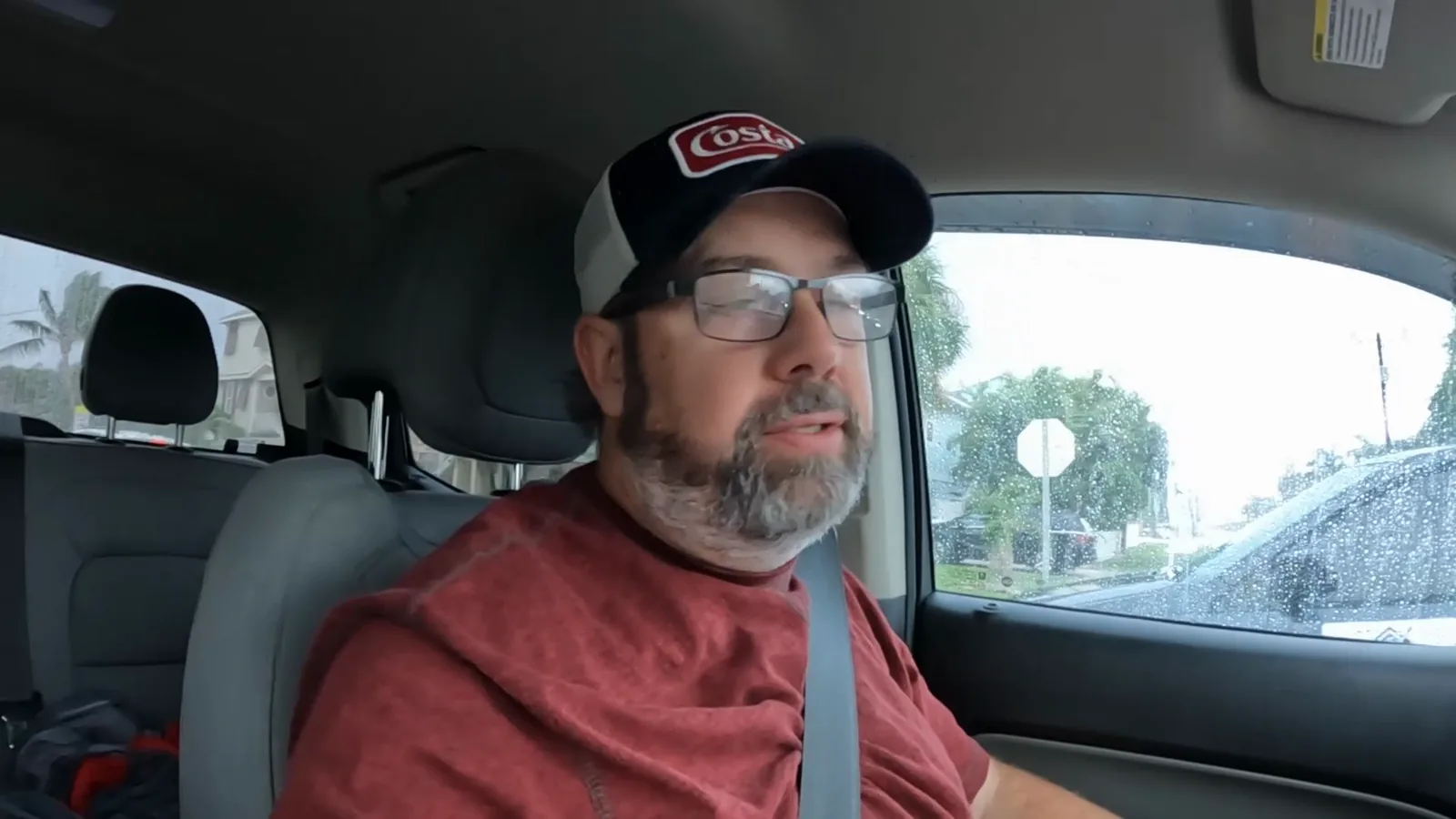
Friday began as part of that recovery. I started earlier and set a stronger target. Then island traffic stopped moving. I sat in one place for around 20 minutes, lost an Uber order because the app decided I wasn't approaching the pickup, and watched the advantage of the early start disappear.
The phone stayed busy later in Lakewood Ranch, but busy did not mean profitable. A lot of the offers paid fifty to seventy-five cents per mile. I declined about a dozen of them in a short stretch. That can feel like doing nothing, but accepting bad work is not progress just because the wheels are turning.
The Miles the App Doesn't Show
By the end of the shift, I had recovered more of what the battery and lost time had taken. Still, Saturday showed me another blind spot. Spark orders looked good on the screen, but some of them carried me far outside productive areas. The app showed the paid trip. It did not show the long return drive, the weak service, the dirt roads, or the orders I could not receive while repositioning.
When I reviewed the night, those empty miles had reduced what looked like a nearly $24-per-hour shift to closer to $20. The costly mistake was not one terrible order. It was failing to count the space between orders.
That may be the clearest description of where I am right now. I am moving constantly, but movement and progress are not the same thing. A profitable order can leave me in the wrong place. A repaired truck can still leave a hole that takes days to refill. A daily video can be published on time while the systems behind it remain fragile.
The work is learning to see those hidden costs before they collect.
Memorable Moments
The KFC order had been sitting for roughly 90 minutes because one item was unavailable. Solving a simple substitution problem turned abandoned work into a strong order. It was a reminder that experience is often less about knowing everything and more about staying long enough to solve the actual problem.
Five cases of water and three cases of Coke sounded like punishment. The delivery turned out to be a house with an easy garage drop-off. I spent more energy fearing the destination than the destination deserved.
The truck failed at the worst possible time, but a stranger provided a jump and the customer responded to a late delivery with kindness. The situation was stressful, inconvenient, and expensive. It was also a reminder that people occasionally make a bad day easier for no reason other than understanding.
The island traffic jam captured how quickly a good plan can disappear. I started early, did the sensible thing, and still lost time and an order while sitting motionless. Preparation improves the odds; it does not create control.
The return trip from a rural Spark delivery made the week's biggest idea visible. The offer screen can show dollars and miles, but it cannot decide whether the destination helps or hurts the rest of the shift. That judgment still belongs to me.
Looking Ahead
Next week I want to track the parts of the work that usually disappear from the numbers: return miles, repositioning time, cancelled orders, and the gap between a repair being finished and financially recovered.
I also want to keep testing Spark on the weekdays where my usual strategy has been weak. One good Monday is not proof, but it is enough reason to run the experiment again.
The truck now has a new battery, jumper cables, and the essential tools back inside it. That solves one obvious problem. The less obvious work is building the same kind of preparedness into everything else—the content schedule, the websites, the archive, and the systems that are slowly turning daily footage into something larger than a collection of uploads.
Episodes from this chapter
Related stories
The Week I Stopped Guessing
A week of rain, slow orders, misleading hot zones, clearer income targets, and finally asking where Funding the Dream is supposed to lead.
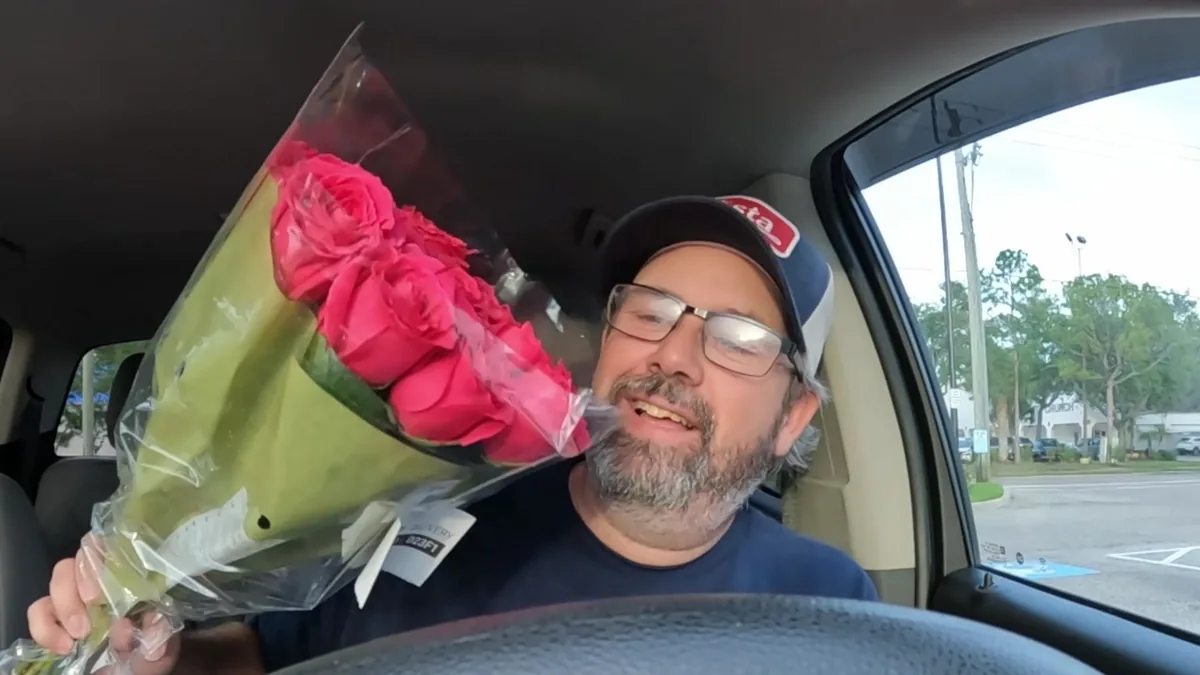
Learning What Enough Looks Like
A week of slow orders, small experiments, strange deliveries, and one flower order that changed how I saw the road ahead.